Instant Roof Estimate

Roof Leak Repair in West Palm Beach

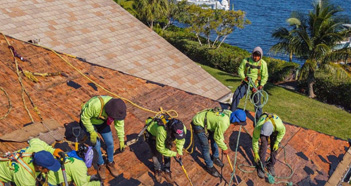
A roof leak can quickly damage ceilings, insulation, drywall, and the roof deck beneath the surface. Altec Roofing provides roof leak repair services in West Palm Beach for tile, asphalt, metal, and flat roofing systems. We locate the source of the water intrusion, explain what failed, and recommend the repair you need to keep the leak from spreading. Contact Altec today to schedule your roof leak repair!

Signs of a Leaking Roof

A roof leak doesn’t always start with water dripping into your home. Moisture can travel along the roof deck, rafters, and other building materials before appearing far from its original entry point. Watch for these common warning signs:

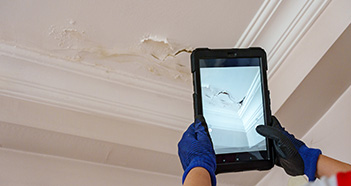
  • Water Stains on Ceilings or Walls
  • Dripping Water During Heavy Rain
  • Musty Odors or Mold Growth
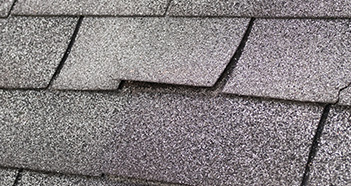
  • Damaged or Missing Roofing Materials
  • Damp or Compressed Attic Insulation
  • Sagging or Soft Roof Areas

A professional roof leak inspection can trace the moisture back to its source and determine whether the problem involves damaged roofing, failed flashing, deteriorated underlayment, or another vulnerable area.


What To Do When Your Roof Is Leaking

Acting quickly can limit interior damage while you arrange professional roof leak repairs. Take these steps when you discover water entering your home:

  1. Contain the Water

    Place a bucket of waterproof container beneath the dripping. Move furniture, electronics, rugs, and valuables away from the affected area.

  2. Address Electrical Hazards

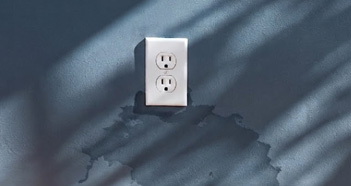
    If water is near an outlet, light fixture, appliances, or electrical panel, avoid the area and shut off power from a safe location if possible.

  3. Document the Damage

    Photograph the leak, ceiling stains, damaged belongings, and any visible exterior damage. Record when the leak occurs and whether it becomes worse over time.

  4. Stay Off the Roof

    Wet tile, shingles, and metal can be extremely slippery. Do not climb onto the roof during a storm or attempt a temporary repair without the proper training and safety equipment.

  5. Call a Roofing Professional

    Schedule a roof leak inspection as soon as possible. The visible drip may be several feet away from the actual opening, so covering only the interior symptom won’t resolve the underlying problem.

How Long Can You Leave a Leaking Roof?

A leaking roof should receive attention as soon as it is discovered. Water damage starts when moisture enters the roofing system. Continued exposure can soak insulation, stain drywall, rot roof decking, corrode fasteners, damage electrical components, and create conditions for mold growth. A leak that appears during one storm can become much worse during the next period of heavy rain. If a permanent repair can’t be completed immediately, the roof may need a safe temporary repair to limit further water intrusion until conditions allow for a full repair.

Our Roof Leak Repair Process

  1. Initial Roof Assessment:
    We discuss when and where the leak appears, inspect the affected interior areas, and look for visible evidence of water movement. 
  2. Roof Leak Detection:
    We explain what caused the leak, identify the affected components, and provide a clear estimate for the necessary work. 
  3. Repair Recommendation:
    We explain what caused the leak, identify the affected components, and provide a clear estimate for the necessary work. 
  4. Targeted Roof Repair:
    We repair or replace failed materials, which may include tiles, shingles, membrane sections, flashing, sealants, vents, or damaged underlayment. 
  5. Final Quality Check:
    We inspect the repaired area, confirm that vulnerable components are properly secured and sealed, and review the completed work with you.

Common Causes of Roof Leaks in West Palm Beach

West Palm Beach roofs face intense UV exposure, high humidity, heavy rainfall, and strong storm winds. The weather can wear down roofing materials and expose weak points in the system. Frequent causes of local roof leaks include:

  • Damaged Roofing Materials:
    High winds, falling debris, prolonged sun exposure, and normal aging can crack, loosen, puncture, or remove sections of the roof. The openings allow rain to reach less-protected parts of the roofing system. 
  • Worn Moisture Barriers:
    The protective layers beneath or within a roofing system can deteriorate, tear, or separate over time. Once compromised, they may allow water to reach the roof deck even when the exterior damage isn’t obvious. 
  • Failed Flashing and Roof Penetrations:
    Flashing around vents, skylights, chimneys, walls, and roof transitions can separate, corrode, or lose its seal. These details are common entry points for wind-driven rain. 
  • Ponding Water and Drainage Problems:
    Flat and low-slope roofs can leak when clogged drains, poor drainage, damaged seams, or surface depressions allow water to remain on the roof. Standing water places prolonged pressure on membranes and vulnerable connections.

Prevent Roof Leaks with Roof Maintenance

Routine roof maintenance can uncover small vulnerabilities before they turn into interior leaks. A professional roof inspection can identify cracked tiles, lifted shingles, deteriorated sealants, loose flashing, membrane damage, blocked drainage areas, and wear around roof penetrations.

Maintenance is especially valuable before South Florida’s storm season and after severe weather. Clearing debris, maintaining drainage, and repairing isolated damage early can reduce repeated water exposure and help extend the useful life of the roofing system.